Scary Night T Shirt Design: A Designer’s Stitch Review
As an embroidery designer who has spent countless hours staring at digitized files and watching needles dance across fabric, I have learned to look past the initial visual appeal of a graphic. When I first opened the Scary Night T Shirt Design, my immediate reaction was not just about whether it looked "cool," but whether it would survive the transition from screen to thread. In the world of machine embroidery design, a pretty picture does not always equal a successful stitch-out. This review breaks down how this specific asset performs in real-world applications, focusing on practicality for crafters, Etsy sellers, and boutique owners.
First Impressions and Visual Mood
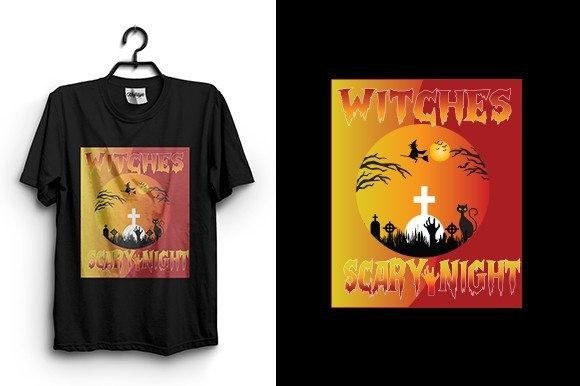
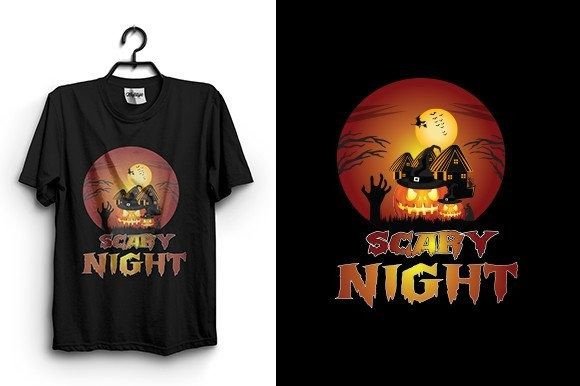
The Scary Night T Shirt Design carries a distinct atmospheric weight. It is not merely a generic spooky icon; it possesses a layout that suggests narrative. For those of us creating design assets for seasonal collections, mood is everything. This graphic leans into a mysterious, slightly playful darkness that works exceptionally well for autumnal themes or niche gaming aesthetics. The shapes are bold enough to be recognizable from a distance, which is crucial for apparel. However, as a reviewer, I immediately noted the complexity of the lines. In digital form, these details look crisp, but in embroidery, fine lines can easily get lost if the stitch density is not managed correctly.
The description mentions that the files are well organized and can be easily changed without losing quality. This is a significant advantage for professionals who need to adapt a digital embroidery file for different client needs. Whether you are scaling it down for a pocket logo or enlarging it for a back print, maintaining vector-like integrity is essential. Yet, we must remember that embroidery has physical limits that digital graphics do not.
Real-World Application: The Sweatshirt Test
To truly evaluate this design, I imagined a specific project: a custom heavyweight cotton sweatshirt for a local indie game developer. The goal was to create a personalized gift that doubled as commercial embroidery merchandise. Placing the Scary Night T Shirt Design on the left chest area seemed like the natural choice. Here, the design acts as a subtle brand identifier rather than an overwhelming statement piece.
When working with thicker fabrics like sweatshirt fleece, the fabric texture plays a major role. The pile of the fabric can swallow small details. If this design relies heavily on running stitch outlines, it might disappear into the fuzz. Conversely, if it utilizes fill stitch areas effectively, it will pop against the dark background. I recommend testing this design on a scrap piece of your intended fabric before committing to the final garment. This simple step saves time, thread, and frustration.
Navigating Technical Challenges
One of the most critical aspects of using any embroidery file is understanding where it might fail. The Scary Night T Shirt Design appears to have intricate elements that require careful handling. If you are planning to use this on a curved surface, such as a cap or a baby onesie, you must consider hoop stability. Curved surfaces distort designs, and complex shapes can bunch up if the stabilizer is not robust enough. For caps, a stiff cut-away stabilizer is non-negotiable to prevent puckering.
Additionally, consider the thread colors you choose. A design labeled "Scary Night" implies dark tones, but stitching black thread on black fabric is a recipe for invisibility. Instead, opt for high-contrast combinations. Deep purples, electric blues, or even metallic threads can enhance the spooky vibe while ensuring the design remains visible. If the design includes tiny lettering or sharp corners, be wary of satin stitch width. Too wide, and the threads may snag; too narrow, and they may break during washing.
Commercial Viability for Small Shops
For Etsy sellers and small shop owners, the versatility of a design determines its profitability. The Scary Night T Shirt Design fits neatly into several lucrative categories. It works as a standout element on tote bag design projects, especially canvas bags which hold stitches well. It also translates nicely to embroidered patch creation, where the design can be stitched on twill and then applied to various garments. This adds value to your handmade product lineup by offering modular customization.
However, always verify the licensing terms. The product description notes it is suitable for gaming t-shirts and implies commercial use through its store context, but never assume. Confirm whether the license allows for unlimited physical sales or if there are restrictions on digital redistribution. Protecting your craft business starts with clear legal boundaries.
Practical Designer Notes
Before you load this file into your machine, keep these practical tips in mind:
- Check Stitch Density: High density can cause fabric distortion. If the design feels heavy, consider reducing the density in your editing software if you have the skills, or choose a heavier fabric.
- Test on Scrap Fabric: Always run a test stitch on the same material and layer count as your final project. This reveals tension issues and color clashes.
- Contrast is Key: Use light thread on dark fabrics and vice versa. Avoid low-contrast combinations unless aiming for a subtle, tonal effect.
- Hoop Size Matters: Ensure the design fits comfortably within your hoop with adequate margin for stabilization. Do not crowd the edges.
- Wash Testing: After stitching, wash the test piece to check for thread bleeding or shrinkage. This ensures your finished product meets customer expectations for durability.
Final Verdict
The Scary Night T Shirt Design is a strong contender for designers looking to add thematic depth to their portfolio. It bridges the gap between edgy gaming aesthetics and traditional spooky decor. While it requires thoughtful execution regarding fabric choice and stabilizer selection, its potential for creating engaging custom apparel and unique holiday embroidery items is high. By respecting the technical constraints of embroidery and leveraging the design's visual strengths, you can create products that stand out in a crowded market. Remember, the best designs are not just seen; they are felt in the quality of the stitch and the satisfaction of the wearer.